Remote engine shutdown in Ghana is more accurately described as remote immobilisation. On a compatible installation, an authorised command can prevent a vehicle from restarting. AcesTrack guidance is strict: use it only after the vehicle is confirmed safely stationary.
It must never be used to cut power to a moving vehicle.
What the installation needs
Immobilisation usually requires a tracker output, suitable relay, vehicle-specific wiring and a safe installation plan. Compatibility depends on the vehicle and existing electrical or security systems. The technician should confirm the scope before fitting it.
The feature also depends on the tracker receiving the command. Power, mobile coverage, hardware condition and service status can affect delivery.
What it can do
For a supported vehicle, immobilisation may:
- prevent a stationary vehicle from restarting;
- remain active until an authorised release command is sent;
- create a platform record of the command, where supported.
It does not physically brake a vehicle, guarantee recovery or replace a report to the Ghana Police Service.
A safe authorisation process
Before issuing a command:
- Confirm the correct vehicle and account.
- Contact the driver or authorised user where appropriate.
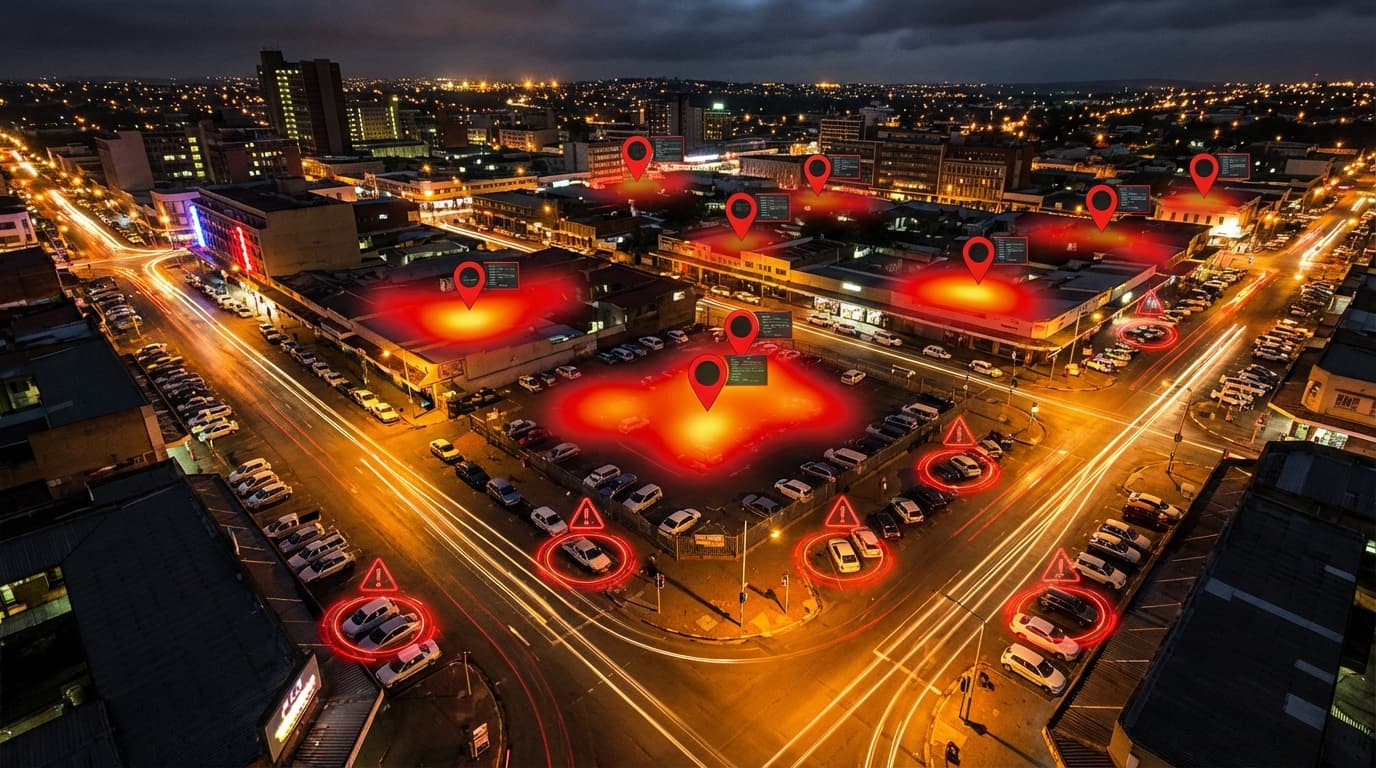
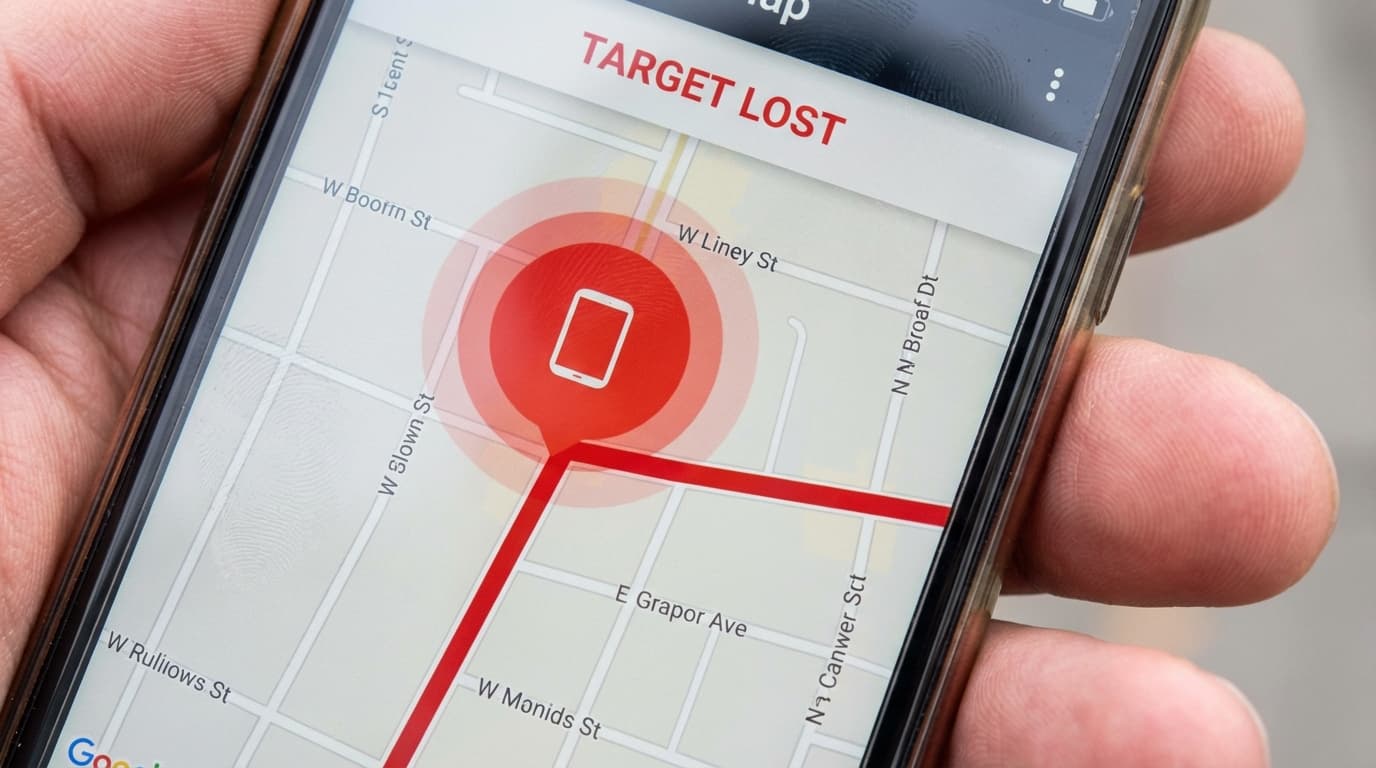
- Confirm the vehicle is safely stationary from more than a moving map pin where possible.
- Restrict the action to a named authorised person.
- Record the reason, time and person approving it.
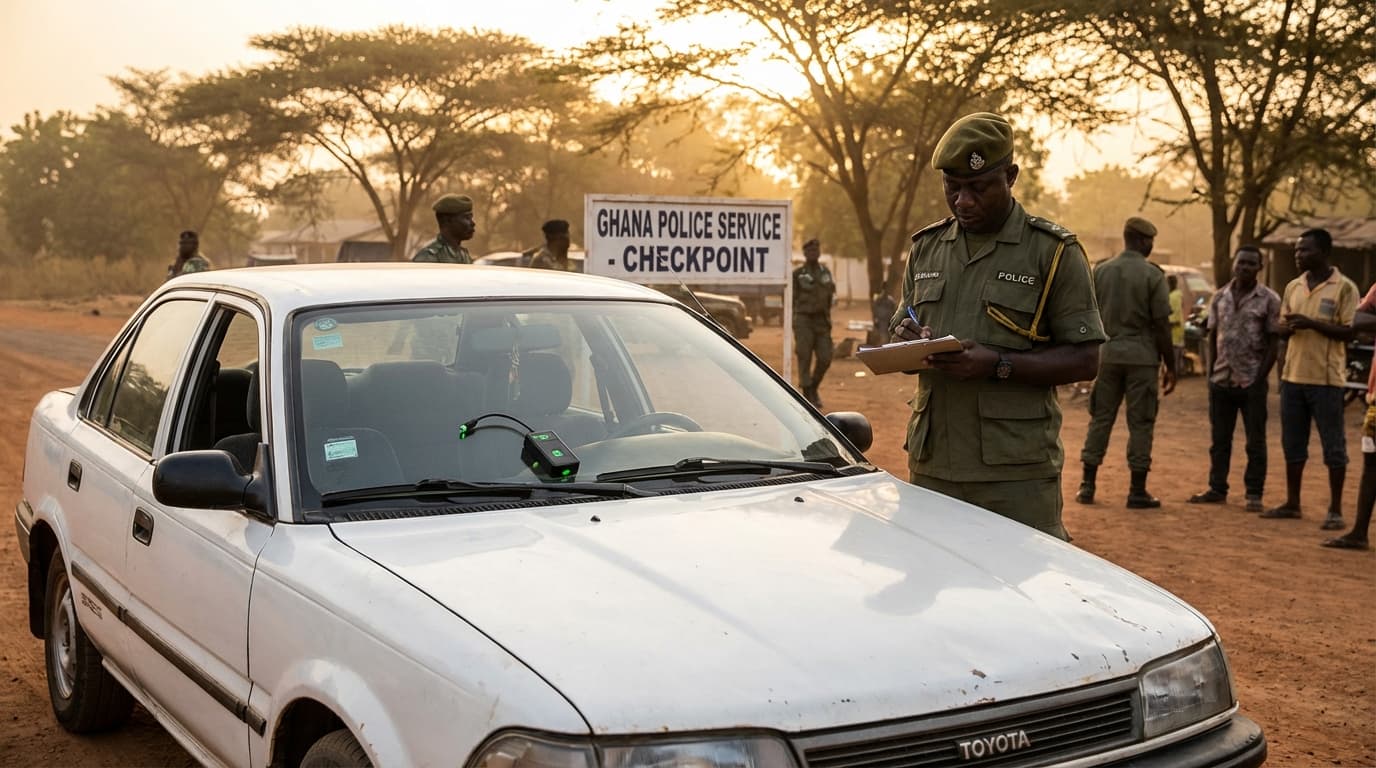
- Follow police and incident procedures when theft or another offence is suspected.
A fleet should write these steps into its policy and review who has access whenever staff change.
Situations that need extra caution
Do not use immobilisation during a driver dispute, payment disagreement or uncertain handover without appropriate authority and legal advice. A map may show a last reported position rather than the vehicle's current state.
If the device is offline, do not assume a command has arrived. Check the platform status and support process.
Protect the control account
Use named users and strong passwords. Do not share an owner login across a fleet. Remove a lost phone and former staff immediately, and ask the provider whether the platform records who issued a command.
An operations viewer may not need immobilisation permission. Give sensitive access only to the smallest group that can follow the authorisation process.
Test without creating a road hazard
Any commissioning test should happen in a controlled location with the vehicle parked and the technician present. Confirm what the platform reports, how the command is reversed and who to contact if the device does not respond.
Do not repeat a test on a public road or use a command to discipline a driver.
Recheck after electrical work
Battery replacement, alarm work, dashboard repair or other electrical service may affect a relay or tracker connection. Tell the workshop about the installation and arrange a status check afterwards. Record any change in the vehicle file.
During a suspected theft
Move to safety, confirm the vehicle was not taken by an authorised person, note the latest reported location and time, and report the theft to the police. Contact AcesTrack support for an active AcesTrack installation. Do not organise a private pursuit or confrontation.
The circumstances, coverage and police response affect every outcome. Immobilisation is one control in the response, not a promise that the vehicle will be recovered.
Availability and pricing
Compatible remote immobilisation can be assessed for Pro or Elite. Pro costs GH₵1,000 once plus GH₵99 per month; Elite costs GH₵1,300 once plus GH₵129 per month and adds an integrated microphone for lawful, authorised in-vehicle audio. Both use a 12-month term.
The one-time charge includes standard Greater Accra installation. There is no payment to book; the one-time charge and first monthly payment are due after installation and testing. The technician will confirm any vehicle-specific relay work before proceeding.