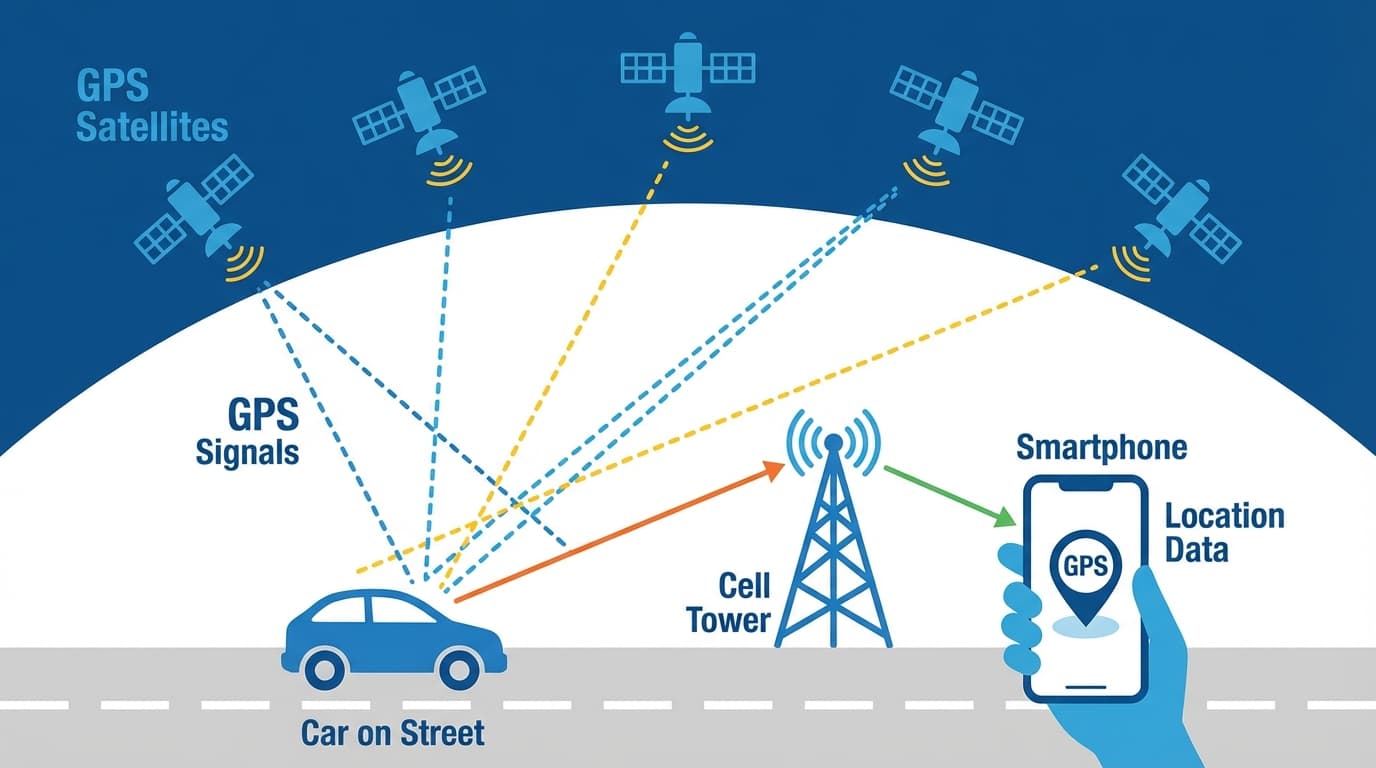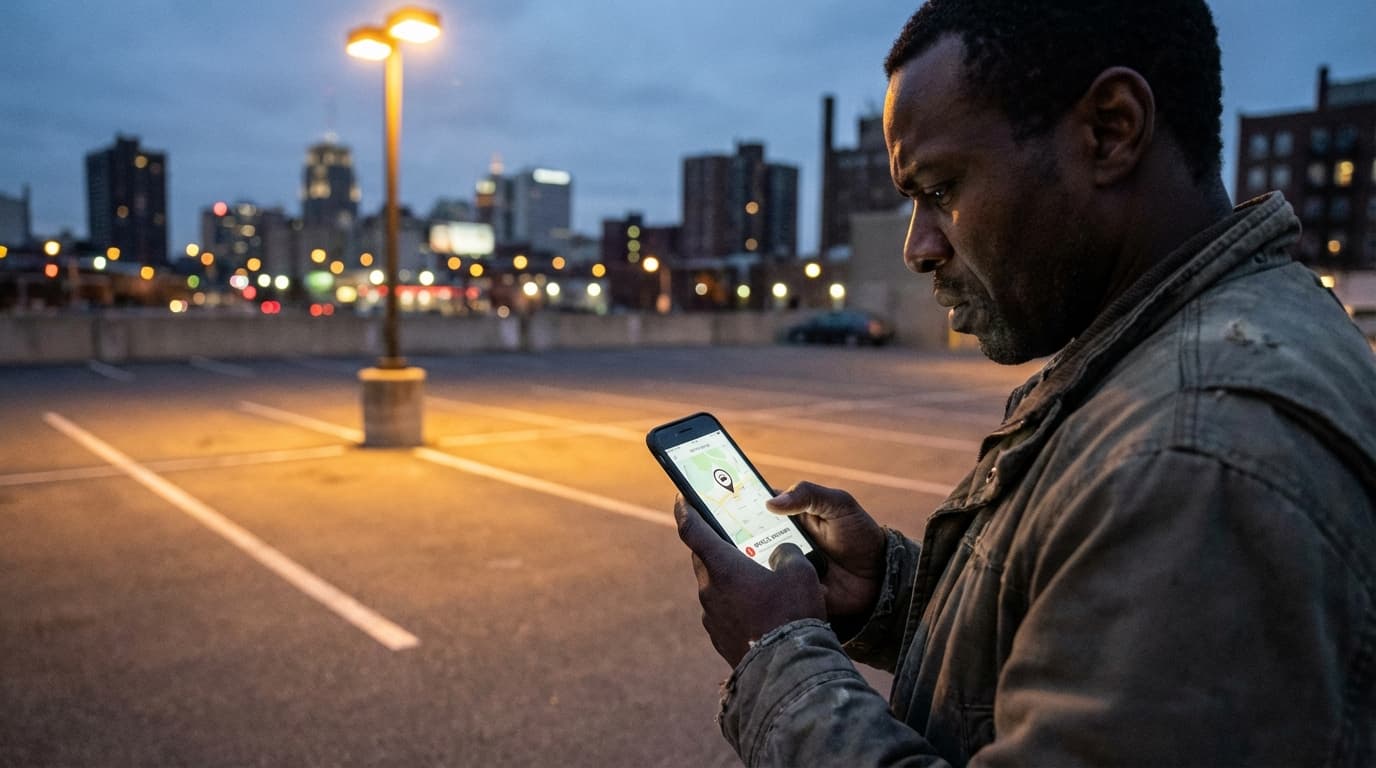
Can someone track your car without you knowing? Yes, it's technically possible and happens more often than people realise. Hidden GPS trackers are small, inexpensive, and can be placed on vehicles in seconds. This guide explains how tracking happens, how to detect hidden devices, and what legal protections exist in Ghana.
This is a sensitive topic. While GPS tracking technology protects vehicles from theft, the same technology can be misused for stalking, harassment, or unauthorized surveillance. Understanding both sides helps you protect yourself.
How Someone Could Track Your Car
Several methods exist for tracking a vehicle without the owner's knowledge:
1. Hidden GPS Trackers
Small battery-powered or magnetic GPS devices can be placed on vehicles quickly and discreetly. These devices:
- Range from the size of a matchbox to a phone
- Can be attached with magnets in seconds
- Transmit location via cellular networks
- May have battery life of 2 weeks to 6 months
- Are available for GH₵200-800 online
Where they're placed: Wheel wells, under bumpers, inside engine compartments, beneath the car, inside spare tyre compartments.
2. OBD Port Trackers
The OBD-II (On-Board Diagnostics) port under your dashboard provides constant power. Plug-in trackers can be installed in 5 seconds and are completely hidden from casual view.
Where it's located: Usually below the dashboard on the driver's side, near the steering column.
3. Hardwired Hidden Trackers
More sophisticated trackers can be wired directly into the vehicle's electrical system by someone with technical knowledge. These are difficult to detect without professional inspection.
Common locations: Behind dashboard panels, inside door panels, within seat structures, integrated with existing wiring.
4. Mobile Phone Tracking
If someone has access to your phone, they could install tracking apps or enable location sharing without your knowledge. Alternatively, they could place an old phone (set to silent with tracking enabled) somewhere in your vehicle.
5. Bluetooth Trackers (AirTags, Tile)
Apple AirTags and similar Bluetooth trackers are small, cheap, and easy to hide. While Apple has built-in protections against stalking, these can still be misused.
Note: Apple devices will eventually alert you if an unknown AirTag is travelling with you. Android users need separate detection apps.
Who Might Track Your Car?
Understanding potential threats helps assess your risk:
Concerning Situations (Potentially Illegal)
- Abusive partners or ex-partners: Domestic abuse often includes surveillance and control
- Stalkers: Tracking victims' movements
- Jealous individuals: Monitoring without consent
- Criminal surveillance: Planning robberies or worse
- Harassers: Following and intimidating targets
Sometimes Legitimate (Depending on Context)
- Suspicious spouses: Often illegal even between married couples without consent
- Parents tracking adult children: Generally not legal without consent
- Employers (undisclosed): May be legal depending on employment contract and disclosure
Generally Legitimate
- Fleet owners tracking company vehicles: Legal when employees are informed
- Parents tracking minor children's vehicles: Generally legal
- Finance companies tracking vehicles under loan: Often included in loan agreements
- Your own vehicle for security: You tracking your own property
How to Check If Your Car Is Being Tracked
If you suspect unauthorized tracking, here's how to investigate:
Step 1: Physical Inspection
Tools needed: Flashlight, mirror on stick (inspection mirror), mechanic's creeper (optional)
Exterior check:
-
Wheel wells: Feel inside each wheel well for magnetic attachments. Remove any plastic covers and inspect behind them.
-
Under bumpers: Front and rear bumpers have hollow spaces. Look and feel for unusual devices.
-
Undercarriage: Use a flashlight and mirror to inspect the entire bottom of the vehicle. Look for anything that appears added or out of place.
-
Exhaust system: The area around mufflers and catalytic converters can hide devices (though heat may damage some trackers).
-
Spare tyre area: Open the boot and check inside the spare tyre compartment.
Interior check:
-
OBD port: Look under the dashboard near the steering column. If anything is plugged into the diagnostic port, investigate what it is.
-
Under seats: Check beneath all seats, including in seat tracks and mechanisms.
-
Dashboard gaps: Look for anything unusual behind dashboard panels or air vents.
-
Door panels: These can be removed to hide trackers, though this requires more effort.
-
Glove compartment: Check for devices hidden inside or behind the glove box.
-
Centre console: Inspect inside and underneath.
Step 2: Electronic Detection
If physical inspection doesn't reveal anything, electronic detection can help:
RF (Radio Frequency) Detector
GPS trackers transmit radio signals to cellular networks. RF detectors identify these transmissions.
How to use:
- Park in a quiet area away from other electronics
- Turn off your own phone and any known devices
- Scan the vehicle slowly, checking signal strength
- Stronger signals indicate nearby transmitting devices
Limitations: Detectors may pick up other electronics. Not all trackers transmit constantly - some only transmit periodically or when the vehicle moves.
Cost in Ghana: GH₵150-500 for basic detectors
Professional Bug Sweepers
Technical Security Counter-Measures (TSCM) professionals have advanced equipment to detect hidden devices. This is the most thorough option for serious concerns.
Cost in Ghana: GH₵500-2,000 for professional vehicle sweep
Step 3: Check for Phone-Based Tracking
On your iPhone:
- Settings > Privacy & Security > Location Services
- Review which apps have location access
- Check for unfamiliar apps
- Settings > Privacy & Security > Tracking > review requests
On your Android:
- Settings > Location > App location permissions
- Review all apps with location access
- Check for unfamiliar apps
- Consider using "Find Unknown Devices" apps for AirTag detection
For both:
- Review all installed apps
- Check for apps you don't remember installing
- Look for generic names that could disguise tracking apps
What to Do If You Find a Tracker
If you discover an unauthorized tracking device, your response depends on the situation:
If You Feel Safe and Want to Address It Directly
- Document everything: Photograph the device in place before removing it
- Remove the device: Keep it as evidence
- Note when and where you found it: Record all details
- Check for others: Where there's one, there may be more
- Consider confronting the person: Only if safe and appropriate
If You're in Danger or Being Stalked
Do not remove the tracker immediately. Consider:
- Contact police: File a report about stalking/harassment
- Seek support: Contact domestic violence resources if applicable
- Leave the tracker in place temporarily: Removing it alerts the stalker that you know
- Plan your safety: Use this time to make arrangements
- Remove with witnesses present: Have police or trusted friends present when removing
Ghana Resources:
- Ghana Police Service: 191 or 18555
- Domestic Violence and Victim Support Unit (DOVVSU): Available at regional police stations
- Legal Aid Board: For legal assistance
If It's a Finance Company Tracker
If you discover a tracker installed by your vehicle finance company:
- Review your loan agreement - tracking is often disclosed
- Contact the finance company to confirm it's theirs
- If not disclosed in your agreement, seek legal advice
Legal Situation in Ghana
Understanding the law helps you respond appropriately:
Generally Illegal Without Consent
Installing a tracking device on someone else's vehicle without their knowledge or consent is potentially illegal under:
- Criminal Code provisions on harassment and stalking
- Privacy-related laws
- Potential civil liability for invasion of privacy
Exceptions may exist for:
- Law enforcement with proper warrants
- Parents tracking minor children
- Employers with proper disclosure
- Finance companies per loan agreements
What You Can Do Legally
If you discover unauthorized tracking:
- Report to police - this is evidence of potential stalking
- Seek a restraining order if you know who placed it
- Consult a lawyer about civil remedies
- Document everything for potential legal action
Note: Laws change and vary. Consult a Ghanaian lawyer for specific legal advice.
How to Protect Your Vehicle from Unauthorized Tracking
Physical Prevention
- Regular inspections: Check your vehicle periodically, especially after others have access
- Park securely: Use private garages or well-monitored parking when possible
- Limit access: Be cautious about who borrows or services your vehicle
- Cover your OBD port: OBD port locks prevent plug-in trackers (GH₵50-100)
Electronic Prevention
- GPS jamming devices: These block GPS and cellular signals around your vehicle
- Warning: GPS jammers are illegal in many jurisdictions and may affect your own legitimate tracking devices
-
RF detection: Periodic scans can identify transmitting devices
-
Professional sweeps: Annual or triggered inspections by security professionals
Digital Protection
- Secure your phone: Use strong passwords, review app permissions
- Check location sharing: Review who can see your location on all apps
- Update regularly: Security updates patch vulnerabilities
- Factory reset if concerned: If you suspect phone compromise, reset to factory settings
When Tracking IS Appropriate
While this article focuses on unauthorized tracking, legitimate uses include:
Your own vehicle:
- Theft protection and recovery
- Teen driver monitoring (with their knowledge)
- Elderly family member safety (with consent)
Business vehicles:
- Fleet management with employee disclosure
- Asset protection
- Route optimisation
With clear consent:
- Agreed location sharing between partners
- Family safety arrangements
- Employee vehicle tracking per contract
The key difference is consent and transparency. Tracking someone without their knowledge crosses ethical and often legal lines. For legitimate car protection, see our complete personal car tracker guide.
Frequently Asked Questions
How can I tell if someone is tracking my car?
Check common hiding spots (wheel wells, undercarriage, OBD port), use an RF detector to find transmitting devices, and inspect for anything unusual attached to your vehicle. Professional sweeps are most thorough.
Can I block a GPS tracker signal?
GPS jammers exist but are illegal in many places and can interfere with emergency services, your own devices, and nearby vehicles. Physical removal is the legal solution.
How do I stop someone from tracking my car?
Find and remove the tracking device, report the situation to police if appropriate, secure your vehicle from future access, and consider professional sweeps. If in danger, contact authorities before removing the device.
Are hidden GPS trackers legal in Ghana?
Installing a tracker on someone else's vehicle without consent is generally illegal. Legitimate uses include tracking your own property, company vehicles with disclosure, and finance company requirements per loan agreements.
How small can GPS trackers be?
Modern GPS trackers can be as small as a matchbox or even smaller for basic Bluetooth trackers like AirTags. Battery-powered trackers are larger due to battery size, while hardwired trackers can be very compact.
Can my phone be used to track my car?
Yes, if someone installs tracking apps on your phone or enables location sharing without your knowledge. Review your phone's app permissions and location sharing settings regularly.
Protecting Both Security and Privacy
GPS tracking technology is powerful. Used ethically, it protects vehicles from theft and helps families stay safe. Used unethically, it enables stalking, control, and harassment.
If you're considering tracking a vehicle:
- Ask yourself if you have the right to track it
- Get consent when tracking isn't your own property
- Be transparent about monitoring
If you're concerned about being tracked:
- Regular inspections protect your privacy
- Trust your instincts if something feels wrong
- Seek help from authorities if you're in danger
Your safety and privacy matter. Understanding how tracking works helps you protect both.
Need Legitimate Vehicle Tracking?
AcesTrack provides transparent, consent-based GPS tracking for vehicle owners who want to protect their own property. Our trackers help recover stolen vehicles, not enable surveillance of others.
If you're a vehicle owner looking to protect your car from theft, contact us for ethical tracking solutions.