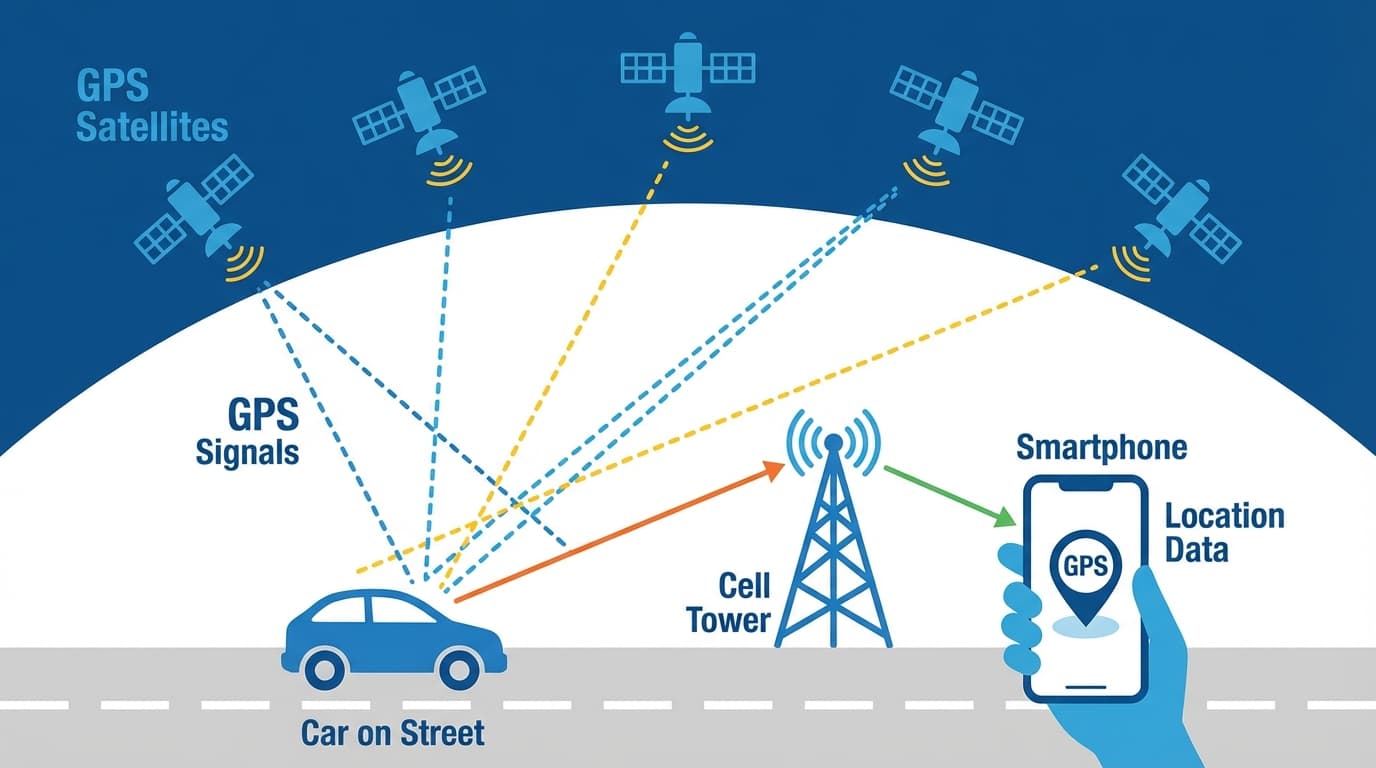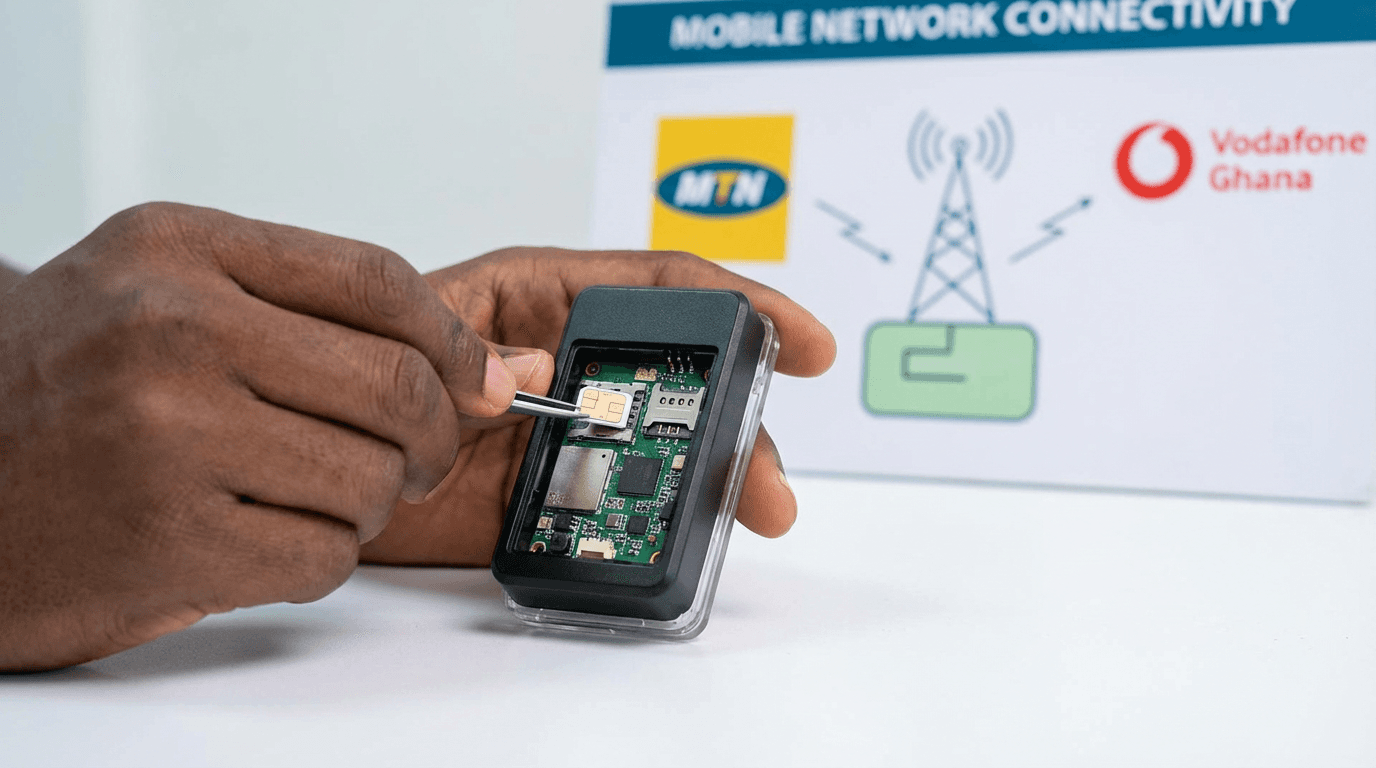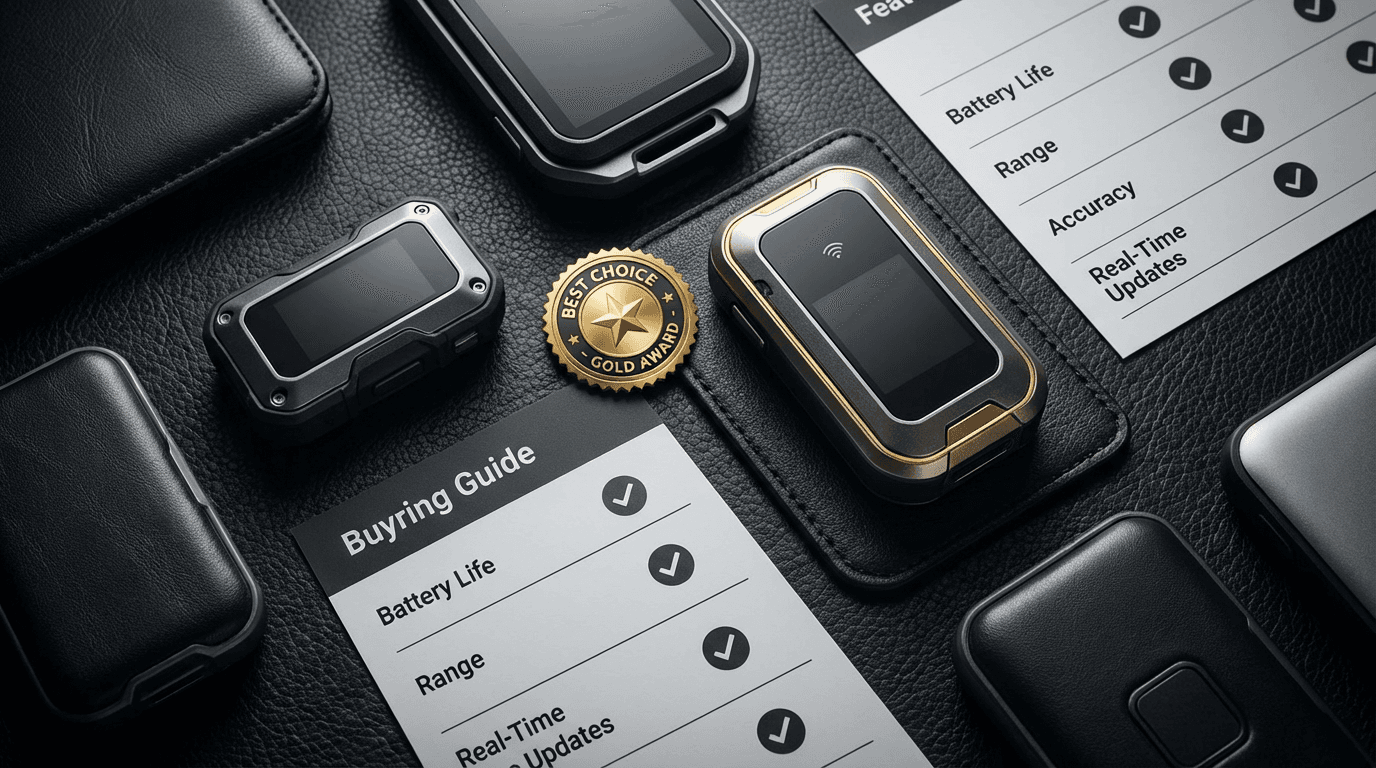
What does a GPS car tracker look like? Most GPS trackers are small black or grey boxes, roughly the size of a matchbox to a smartphone. They typically have no visible buttons or screens - just a sealed unit with internal antennas. Some have small LED indicators, while others are completely unmarked for covert installation.
This guide shows you exactly what different GPS tracker types look like, their sizes, and where they're typically installed.
GPS Tracker Size Comparison
GPS trackers vary significantly in size depending on their type and features:
| Tracker Type | Typical Size | Weight | Comparison |
|---|---|---|---|
| Hardwired (covert) | 5-8 cm × 3-5 cm × 2 cm | 50-100g | Matchbox |
| Hardwired (standard) | 7-10 cm × 5-7 cm × 2-3 cm | 100-150g | Deck of cards |
| OBD Plug-in | 5-7 cm × 4-5 cm × 2-3 cm | 40-80g | Small USB charger |
| Magnetic (battery) | 10-15 cm × 6-8 cm × 3-4 cm | 200-400g | Small smartphone |
| Asset tracker | 8-12 cm × 5-7 cm × 3-4 cm | 150-300g | Cigarette pack |
Modern technology has made trackers increasingly compact while improving battery life and signal strength. Despite their small size, modern GPS trackers have impressive range - learn how far they can actually track.
Types of GPS Trackers and Their Appearance
1. Hardwired Trackers (Most Common for Vehicles)
What they look like:
- Small rectangular plastic box
- Usually black, dark grey, or sometimes white
- Sealed unit with no visible buttons
- May have a small LED light (often covered during installation)
- Thin wires extending from one end for power connection
Typical features visible:
- Smooth plastic casing
- Mounting holes or adhesive surface
- Wire harness (power, ground, ignition sense)
- Sometimes a small external GPS antenna wire
Where installed:
- Behind dashboard panels
- Under seats
- In engine bay (protected from heat)
- Behind glove compartment
- Inside door panels
Why this design: Hardwired trackers connect to your vehicle's 12V power supply, so they never need battery replacement. The sealed design protects against dust, moisture, and tampering.
2. OBD Plug-in Trackers
What they look like:
- Small rectangular device with OBD-II plug
- Usually black plastic housing
- Similar appearance to a diagnostic scanner
- LED indicators visible on the exposed end
- Plugs directly into the OBD port
Typical features visible:
- 16-pin OBD-II connector
- Status LEDs (power, GPS, cellular)
- Sometimes a button for pairing/reset
- Brand logo or label
Where installed:
- OBD-II port under the dashboard (driver's side)
- Visible unless covered
Pros and cons:
- Very easy to install (plug and play)
- Easy for thieves to remove
- Visible to anyone looking under dash
- Good for temporary use or rental tracking
3. Magnetic Battery-Powered Trackers
What they look like:
- Larger rectangular or oval case
- Strong magnets visible or embedded in casing
- Usually black weatherproof housing
- Sometimes with a waterproof port for charging
- No wires
Typical features visible:
- Magnetic base (often exposed metal)
- Charging port (micro USB or proprietary)
- Sometimes a power button
- Weatherproof seals
Where installed:
- Under vehicle (magnetically attached to frame)
- Inside wheel wells
- Behind bumpers
- Any metal surface
Why this design: Battery power means no wiring required. Magnets allow quick installation and removal. These are popular for temporary tracking or surveillance.
4. Asset Trackers
What they look like:
- Rugged rectangular housing
- Often weatherproof/dustproof rated
- May have solar panel on top
- Larger than vehicle trackers (bigger battery)
- Mounting brackets or straps included
Typical features visible:
- Heavy-duty plastic case
- Mounting hardware
- External antenna (sometimes)
- Solar panel (on some models)
- Waterproof rating label (IP67, etc.)
Where used:
- Containers and trailers
- Construction equipment
- Agricultural machinery
- High-value cargo
What's Inside a GPS Tracker?
Understanding the internal components explains the appearance:
Key Components
GPS Module:
- Receives signals from satellites
- Determines location coordinates
- Needs clear view of sky (or at least through plastic/glass)
Cellular Modem:
- Transmits location to servers
- Uses SIM card (often embedded)
- Requires cellular signal coverage
Microprocessor:
- Controls all functions
- Manages power consumption
- Processes sensor data
Power Management:
- Voltage regulator (12V to 3.3V/5V)
- Battery charging circuit (if backup battery included)
- Sleep mode controllers
Antennas:
- GPS antenna (internal or external)
- Cellular antenna (internal or external)
- May be visible as raised sections on case
Sensors (depending on model):
- Accelerometer (motion detection)
- Tamper switch
- Temperature sensor
Why Trackers Look Simple Outside
The sealed, featureless design serves multiple purposes:
- Covert installation - Doesn't attract attention
- Weather protection - No openings for water/dust
- Tamper resistance - No accessible buttons or ports
- Durability - No breakable external parts
- Heat dissipation - Smooth surface radiates heat
How to Identify a Quality Tracker
Signs of Good Build Quality
Professional-grade trackers:
- Solid, well-sealed plastic casing
- No gaps or loose parts
- Quality wire connections (not thin/flimsy)
- Proper strain relief on wires
- Certification marks (CE, FCC)
- Clear labelling with model number
Budget or counterfeit trackers:
- Cheap, thin plastic
- Visible seams or gaps
- Thin, easily damaged wires
- No certification marks
- Generic or no labelling
- LED lights that can't be disabled
Antenna Considerations
Internal antennas:
- Cleaner appearance
- Protected from damage
- May have slightly reduced sensitivity
- Better for covert installation
External antennas:
- Visible antenna wire
- Better GPS/cellular signal
- More installation complexity
- Useful in metal-heavy environments
GPS Tracker Installation Appearance
Professional Installation (What It Should Look Like)
After professional installation, you shouldn't see the tracker at all unless you know where to look:
Hidden locations:
- Dashboard wiring concealed behind panels
- Wires routed alongside existing harnesses
- No visible modifications to interior
- Tracker secured to prevent rattling
What you should receive:
- Mobile app access configured
- Written installation confirmation
- Location of tracker documented (for you only)
- Test confirmation showing live tracking
DIY Installation Warning Signs
Poor installation is often visible:
- Wires hanging loose
- Electrical tape visible
- Dashboard panels not fully seated
- Tracker visible or poorly secured
- Wires not routed through proper channels
Professional installation is worth the investment for reliability and concealment.
Common GPS Tracker Brands and Their Appearance
In Ghana's Market
Quality brands (what they look like):
- Clean, professional packaging
- Clear model identification
- Installation documentation included
- Warranty information
- CE/FCC certification visible
Budget Chinese imports:
- Generic packaging
- No clear brand identity
- Minimal documentation
- Uncertain quality control
- Often missing certifications
Size and Appearance by Brand Category
| Brand Category | Typical Size | Build Quality | Price Range (GHS) |
|---|---|---|---|
| Premium (Teltonika, Queclink) | Compact, refined | Excellent | 500-1,000 device |
| Mid-range (local branded) | Standard | Good | 300-600 device |
| Budget (unbranded imports) | Often larger | Variable | 100-300 device |
Frequently Asked Questions
What does a GPS car tracker look like?
Most GPS car trackers are small black or grey plastic boxes, roughly matchbox to smartphone-sized. Hardwired trackers have wire harnesses for power connection. OBD trackers look like diagnostic plugs. Magnetic trackers are larger with visible magnets. They typically have no buttons or screens - just sealed units.
How small are GPS trackers?
The smallest hardwired GPS trackers are about 5cm × 3cm × 2cm - roughly matchbox-sized. OBD plug-in trackers are similar. Battery-powered magnetic trackers are larger (10-15cm) due to battery size. Technology continues to shrink tracker sizes while improving capability.
Can you see a GPS tracker on a car?
Professional installations hide the tracker behind dashboard panels, under seats, or in the engine bay - invisible to casual observation. OBD plug-in trackers are visible under the dashboard. Magnetic trackers attached underneath require getting under the vehicle to see.
Do GPS trackers have lights?
Many GPS trackers have small LED indicator lights showing power, GPS lock, and cellular connection status. During covert installation, these LEDs are often covered with tape or positioned where they're not visible. Some trackers allow LEDs to be disabled in settings.
What colour are GPS trackers?
Most GPS trackers are black or dark grey to blend with vehicle interiors and undersides. Some commercial trackers come in white or grey. Bright colours are rare as the goal is typically concealment.
How do I know if a tracker is real or fake?
Genuine quality trackers have: clear brand identification, CE/FCC certification marks, proper packaging with documentation, solid build quality, and professional wire connections. Fake or low-quality trackers often have: no certification marks, thin cheap plastic, generic packaging, and poor wire quality.
Conclusion
GPS car trackers typically look like small black or grey plastic boxes ranging from matchbox to smartphone-sized. The specific appearance depends on the type:
- Hardwired: Small sealed box with wire harness, hidden in vehicle
- OBD plug-in: Diagnostic plug shape, visible under dashboard
- Magnetic: Larger battery case with magnets, attachable anywhere
Quality trackers have solid construction, proper certifications, and clean design. Professional installation hides the device completely, while providing you with reliable tracking through a mobile app.
When choosing a tracker, focus less on appearance and more on reliability, features, and professional installation quality.
Questions About GPS Trackers?
AcesTrack installs professional-grade GPS trackers with expert concealment. Our technicians ensure your tracker is invisible to thieves while providing reliable 24/7 tracking. Contact us to see our tracking devices and discuss installation options.