The vehicle tracking industry in Ghana is at an inflection point. What started as simple "where is my car" devices has evolved into sophisticated security and fleet management platforms. But the next five years will bring changes that make today's technology look basic by comparison.
This article explores the technologies and trends shaping GPS tracking in Ghana from 2026 to 2030 - and what vehicle owners should prepare for.
The Ghana GPS Tracking Market: Current State (2026)
Before looking ahead, let's understand where we are:
Market statistics (2026 estimates):
- 150,000+ active GPS-tracked vehicles in Ghana
- 25+ GPS tracking service providers
- 95% market concentration in Greater Accra, Kumasi, and Takoradi
- Average monthly subscription: GH₵60-120
Current technology baseline:
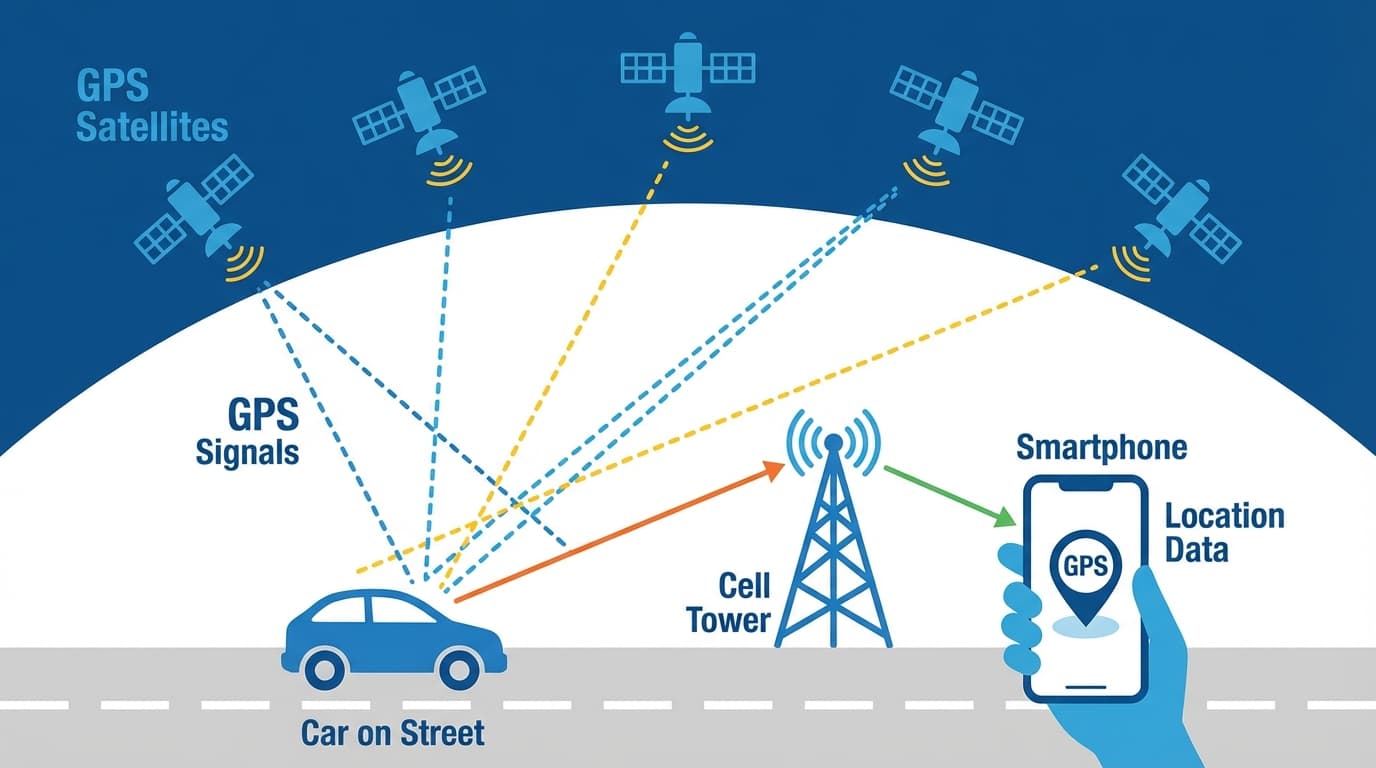
- 4G cellular data transmission (some 3G legacy devices)
- Real-time tracking with 10-30 second updates
- Basic smartphone apps
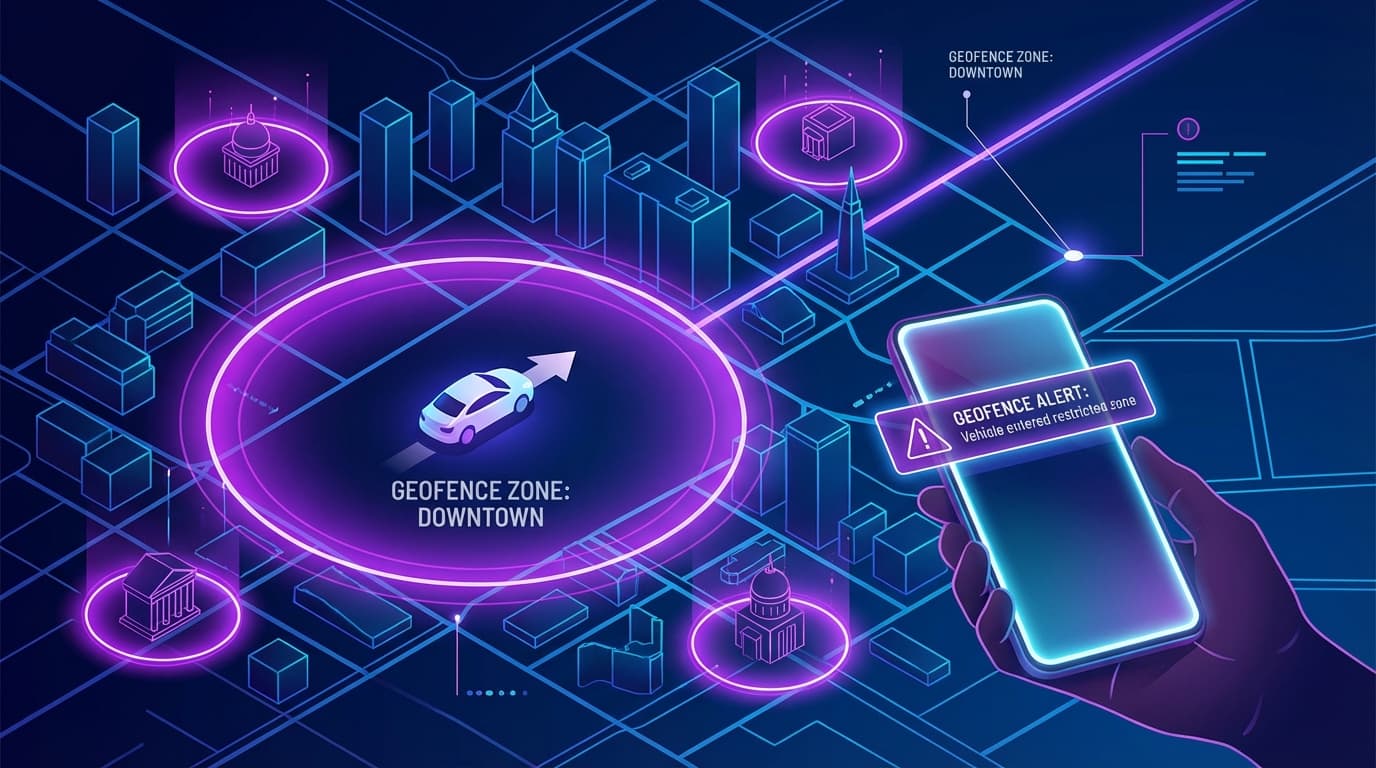
- Geofencing and speed alerts
- Remote engine immobilization
The foundation is solid. Now let's explore what's coming.
Emerging Technology 1: AI-Powered Predictive Security
Artificial intelligence is moving from buzzword to practical application in vehicle tracking.
How AI Changes Theft Detection
Traditional approach: Alert when vehicle moves unexpectedly AI approach: Alert when vehicle behavior patterns suggest potential theft BEFORE it happens
What AI can detect:
- Unusual loitering around your parked vehicle
- Repeated reconnaissance of your parking patterns
- Tampering attempts (based on tracker movement signatures)
- Cross-referencing with theft pattern databases
Practical Example: AI Anomaly Detection
Imagine your car is parked at your home in Kumasi every weeknight by 9 PM. One night, the AI notices:
- The tracker detected slight movement at 11:47 PM (potential tampering)
- No ignition event occurred
- Movement pattern doesn't match wind or vibration
- Similar patterns were detected in 3 theft cases in the region last month
Result: You receive an alert suggesting "potential theft reconnaissance" with recommendation to check your vehicle and consider alternate parking.
This isn't science fiction - early versions are being tested by tracking providers now.
AI Driver Behavior Coaching
Beyond security, AI enables personalized driver improvement:
| Traditional Metrics | AI-Enhanced Insights |
|---|---|
| "Speeding event at 95 km/h" | "Speeding events decrease 40% when driver takes Route B instead of N1" |
| "Harsh braking 5 times today" | "Braking patterns suggest driver follows too closely; collision risk elevated" |
| "Fuel consumption 15.2 L/100km" | "Driver C's fuel efficiency improves when starting trips before 7 AM traffic" |
When to expect: Basic AI features are emerging now. Sophisticated predictive systems will be mainstream by 2028.
Emerging Technology 2: eSIM and Multi-Network Resilience
The SIM card in your GPS tracker is evolving.
What is eSIM?
eSIM (embedded SIM) is a programmable SIM chip built into the tracker that can switch between mobile networks remotely - without physically changing the SIM card.
Why eSIM Matters for Ghana
Current limitation: Most trackers use a single network (MTN, Vodafone, or AirtelTigo). If that network has an outage, your tracker goes dark.
eSIM advantage: The tracker automatically switches to whichever network has the strongest signal at any moment.
| Scenario | Traditional SIM | eSIM |
|---|---|---|
| MTN network outage | Tracker offline | Switches to Vodafone automatically |
| Traveling to rural area with weak MTN | Poor coverage | Switches to strongest available network |
| Cross-border travel to Togo | Requires roaming setup | Automatic international carrier switch |
Impact on Ghana Vehicle Owners
eSIM technology means:
- More reliable tracking in rural areas
- Seamless cross-border tracking for transport companies
- Reduced "network blind spots" across the country
- Lower costs (providers can negotiate better rates across carriers)
When to expect: Premium trackers will offer eSIM in 2026-2027. Mainstream adoption by 2028.
Emerging Technology 3: 5G Connectivity
Ghana's 5G rollout is underway, and it will transform what's possible with GPS tracking.
What 5G Enables
| Feature | 4G Capability | 5G Capability |
|---|---|---|
| Location update speed | 10-30 seconds | 1-3 seconds (near real-time) |
| Video transmission | Low quality, buffering | HD dashcam streaming |
| Device density | Limited per cell tower | Massive IoT support |
| Latency | 50-100ms | Under 10ms |
Practical Applications for Ghana
Real-time dashcam evidence: With 5G, tracking providers can offer live video streaming from in-vehicle cameras. If your car is stolen, you could watch the thief's face and route in real-time.
Instant immobilization: The reduced latency means engine cut commands execute almost instantly - critical seconds gained in theft situations.
Connected vehicle ecosystems: 5G enables your tracker to communicate with other vehicles, traffic systems, and smart infrastructure.
5G Coverage Timeline for Ghana
- 2026: Major Accra areas (Airport City, CBD, East Legon, Tema port)
- 2027: Greater Accra expansion, Kumasi CBD
- 2028: Regional capitals and major highways
- 2030: Widespread urban coverage
Impact for vehicle owners: 5G-enabled trackers will become available in 2026, but 4G will remain the primary network for most of Ghana through 2028.
Emerging Technology 4: Electric Vehicle Integration
Ghana's EV market is small but growing, and tracking technology must adapt.
EV-Specific Tracking Features
Electric vehicles require different monitoring than combustion engines:
| Feature | Traditional Vehicle | Electric Vehicle |
|---|---|---|
| Fuel monitoring | Fuel tank sensor | Battery state of charge |
| Range tracking | Based on fuel level | Based on battery + terrain + weather |
| Maintenance alerts | Oil changes, belts | Battery health, brake wear |
| Theft prevention | Engine immobilizer | Motor controller disable |
EV Charging Station Tracking
Future GPS platforms will include:
- Nearest charging station locations
- Charging progress monitoring (know when car is fully charged)
- Charging cost tracking for fleet management
- Route optimization based on charging station availability
Ghana EV Outlook
While EVs remain rare in Ghana (estimated under 1,000 vehicles in 2026), several factors will drive adoption:
- Government import duty exemptions on EVs
- Rising fuel costs making EVs economically attractive
- Increasing availability of charging infrastructure
- Corporate sustainability commitments
For tracking providers: EV-compatible trackers will be essential by 2028 as the EV market grows.
Ghana-Specific Market Trends: 2026-2030
Trend 1: Insurance Telematics Integration
Ghana's insurance industry is moving toward usage-based policies:
How it works: Your GPS tracker shares driving data with your insurer. Safe driving = lower premiums.
Data that affects premiums:
- Speed compliance
- Time of day driving (night driving = higher risk)
- Distance traveled (less driving = less risk)
- Harsh braking/acceleration events
Current state: A few insurers (Enterprise, SIC) offer discounts for GPS-tracked vehicles. By 2028, expect telematics-based pricing to be standard.
Trend 2: Fleet Electrification Tracking
Ghana businesses are beginning to explore electric delivery vehicles:
| Business Type | EV Interest Level | Timeline |
|---|---|---|
| Last-mile delivery | High | 2027-2028 |
| Corporate fleets | Medium | 2028-2030 |
| Taxi/ride-share | High | 2027-2029 |
| Long-haul transport | Low | Beyond 2030 |
Tracking implication: Fleet management platforms need to support mixed fleets (EV + traditional) during the transition period.
Trend 3: Cross-Border Tracking for AfCFTA
The African Continental Free Trade Area (AfCFTA) is increasing cross-border logistics:
What's needed:
- Trackers that work seamlessly across multiple countries
- Customs documentation integration
- Multi-currency reporting
- Regional language support
Opportunity for Ghana: As a regional hub, Ghana-based tracking providers can serve the growing West African logistics market.
Trend 4: Price Compression
As technology matures and competition increases:
Expected price trends:
- Device costs: Down 20-30% by 2028
- Subscription fees: Down 15-25% by 2028
- Advanced features: Previously premium features become standard
What stays expensive: 24/7 human monitoring, rapid response recovery services, specialized fleet analytics.
Preparing Your Fleet/Vehicle for the Future
For Personal Vehicle Owners
Now (2026):
- Ensure your tracker supports 4G (phase out any 3G devices)
- Choose a provider investing in technology (ask about their roadmap)
- Take advantage of insurance discounts if available
2027-2028:
- Consider upgrading to eSIM-capable trackers
- Explore AI-enhanced security features as they become available
- If purchasing an EV, ensure tracker compatibility
For Fleet Managers
Now (2026):
- Implement driver behavior tracking and coaching
- Use data analytics for fuel and maintenance optimization
- Plan for eventual EV integration in your fleet
2027-2030:
- Evaluate 5G-enabled devices for critical vehicles
- Prepare for telematics insurance requirements
- Consider cross-border tracking capabilities for regional expansion
Frequently Asked Questions
What new GPS tracking technologies are coming to Ghana?
Key technologies arriving 2026-2030 include: AI-powered predictive theft detection, eSIM technology for automatic network switching, 5G connectivity enabling real-time video and faster response, electric vehicle tracking features, and deeper integration with insurance telematics systems.
Will 5G change GPS tracking in Ghana?
Yes, significantly. 5G enables near-real-time tracking updates (1-3 seconds vs current 10-30 seconds), live HD video streaming from dashcams, faster engine immobilization commands, and support for connected vehicle ecosystems. However, 5G coverage will roll out gradually, with full urban coverage expected by 2030.
Should I upgrade my GPS tracker now or wait for new technology?
If your tracker is 4G-capable and provides reliable service, there's no urgency to upgrade. However, if you're using 3G equipment (being phased out) or experiencing network reliability issues, upgrading to current technology makes sense. eSIM and AI features will become mainstream by 2028, so current investments will have several years of useful life.
How will AI improve vehicle theft prevention?
AI enables predictive security by learning your vehicle's normal patterns and detecting anomalies before theft occurs. This includes identifying potential reconnaissance activities, unusual vehicle movements, and correlating local theft patterns. Rather than just alerting when theft happens, AI can warn of elevated theft risk.
Will GPS tracking become more affordable in Ghana?
Yes. Device costs and subscription fees are expected to decrease 15-30% by 2028 as technology matures and competition increases. Features currently considered premium will become standard. However, specialized services like 24/7 human monitoring and rapid response recovery will maintain current pricing.
Are GPS trackers ready for electric vehicles in Ghana?
Most current GPS trackers can physically install on EVs, but lack EV-specific features like battery state monitoring and charging tracking. EV-optimized trackers will become widely available by 2028 as the Ghana EV market grows.
Conclusion
The next five years will transform GPS tracking in Ghana from a security tool into an integrated vehicle intelligence platform. AI will predict problems before they happen. eSIM will ensure your tracker never loses connectivity. 5G will enable real-time video and instant response. And all of this will become more affordable and accessible.
For vehicle owners, the key is choosing providers who are investing in these technologies today. The tracking industry in Ghana is consolidating - providers who aren't innovating will be left behind.
For AcesTrack, our commitment is clear: bring the latest technology to Ghana vehicle owners while maintaining the local support and recovery expertise that makes GPS tracking actually work in the real world.
The future of vehicle tracking is coming. Is your vehicle ready?