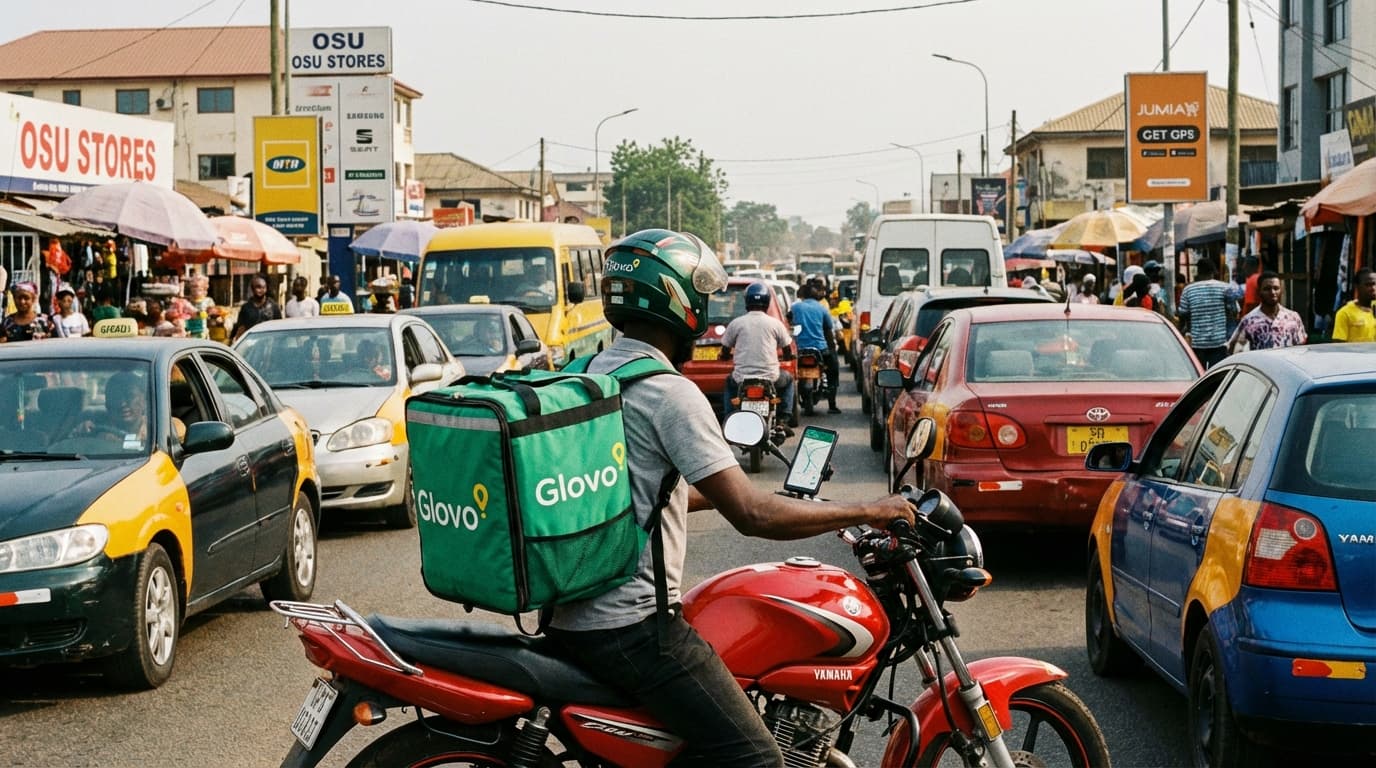
A motorcycle disappears every 8 hours in Greater Accra alone. For okada riders and delivery companies, losing a bike means losing their income. For personal motorcycle owners, it's losing both transport and a significant investment.
GPS tracking changes the equation. But unlike car installations, motorcycle trackers face unique challenges: limited hiding spots, vibration damage, weather exposure, and easier physical access for thieves.
This guide covers everything you need to know about installing GPS trackers on motorcycles in Ghana - whether you ride a Honda Ace for personal transport or manage a fleet of delivery bikes.
Why Motorcycle Tracking Requires Special Consideration
Cars have dashboards, door panels, and dozens of hidden cavities. Motorcycles have... less.
Successful motorcycle GPS installation must address:
Limited Space: Every hiding spot is smaller and more accessible than in a car. The tracker must be compact.
Vibration: Motorcycles vibrate constantly. Poorly secured trackers disconnect, shift, or suffer internal damage.
Weather Exposure: Rain, dust, and heat attack components that would be protected inside a car.
Power Considerations: Motorcycle batteries are smaller (typically 5-9 Ah vs 45-70 Ah in cars). Power draw matters more.
Accessibility: Thieves can access motorcycle components faster than car interiors. Concealment must account for quick searches.
Best Installation Locations for Motorcycle Trackers
Based on thousands of installations across Ghana, these locations offer the best balance of concealment, signal quality, and accessibility:
Under the Seat (Most Popular)
Pros: Easy access for maintenance, protected from direct rain, reasonable concealment, good GPS signal
Cons: First place thieves check, limited space on some models, exposed to heat from engine
Best for: Larger motorcycles (Bajaj Boxer, TVS Apache) with spacious underseat compartments
Installation tip: Mount the tracker to the frame, not the seat bottom. Use vibration-dampening mounts and waterproof housing.
Inside the Fuel Tank Cavity
Some motorcycles have unused space around or beneath the fuel tank. This is excellent for concealment.
Pros: Difficult to access without tools, unexpected location, protected from weather
Cons: Requires significant disassembly for installation, potential interference from metal tank, heat concerns
Best for: High-value motorcycles where maximum concealment is priority
Installation tip: Use a GPS tracker with external antenna that can be routed to a clear view of sky.
Behind Body Panels/Fairings
For motorcycles with plastic fairings (common on delivery bikes), space exists behind panels.
Pros: Weather protection, multiple mounting options, accessible for maintenance
Cons: Varies hugely by motorcycle model, may affect warranty on new bikes
Best for: Scooters and faired motorcycles (Honda Vision, Yamaha FZ series)
Frame-Mounted (Hidden)
Direct mounting to the motorcycle frame in a concealed location.
Pros: Very difficult to find, vibration-resistant when properly mounted, doesn't rely on body panels
Cons: Requires professional installation with welding/metalwork, potential signal interference from metal
Best for: Commercial fleets where maximum security justifies cost
Professional Installation vs DIY
Choose Professional Installation If:
- Your motorcycle is worth more than GH₵15,000
- You operate commercial delivery bikes
- You want maximum concealment from thieves
- You're not confident with motorcycle electrical systems
- You need installation that won't void warranty
Professional installation cost: GH₵100-250 depending on motorcycle type and concealment requirements
What's included:
- Assessment of optimal placement for your specific motorcycle
- Waterproof mounting and wiring
- Integration with motorcycle electrical system
- Testing of all features
- Documentation of installation (kept confidential)
DIY Installation May Work If:
- You have experience with motorcycle electrics
- You're installing a simple plug-and-play tracker
- You understand the risks of visible/accessible placement
- Budget is severely limited
DIY process for basic installation:
- Choose your location based on your motorcycle's layout
- Mount the tracker using vibration-resistant adhesive or brackets
- Run power from the battery (red to positive, black to negative)
- Install a fuse (critical - protects both tracker and motorcycle)
- Secure all wiring away from moving parts and heat sources
- Test thoroughly before closing up panels
Warning: Poor DIY installation causes:
- Electrical shorts that drain your battery
- Water damage from inadequate weatherproofing
- Tracker falling off from vibration
- Fire risk from improper wiring
What We See Go Wrong
In our workshop, we regularly fix DIY installations that failed:
Melted trackers: Mounted too close to exhaust or engine Dead batteries: Wired without fuse, causing parasitic drain Non-functional trackers: Incorrect power connection fried the device Easily discovered: "Hidden" in locations thieves check first
Power Connection Options
Motorcycle tracker installation typically uses one of these power approaches:
Direct Battery Connection (Most Common)
Wire directly to motorcycle battery terminals with inline fuse.
Advantages: Reliable power, simple installation Disadvantages: Tracker is visible to anyone who opens the battery compartment
Best practice: Run wires discretely and use heat shrink tubing for all connections.
Ignition-Switched Power
Tracker only activates when ignition is on.
Advantages: Zero battery drain when parked, extends battery life Disadvantages: No tracking when bike is parked, worthless for theft recovery
Our recommendation: Avoid for theft prevention purposes. You need tracking 24/7, especially when parked.
Dedicated Tracker Battery
Tracker has its own small battery that's trickle-charged from the motorcycle.
Advantages: Continues tracking if main battery is disconnected, adds backup time Disadvantages: Higher cost, more components to install, battery requires eventual replacement
Best for: High-risk situations, premium installations, commercial fleets
Waterproofing: Non-Negotiable in Ghana
Ghana's rainy seasons (April-June, September-October) will destroy any tracker without proper waterproofing.
Minimum requirements:
- Tracker rated IP65 or higher (protected against rain and dust)
- Connections sealed with heat shrink and silicone
- No exposed wires or connectors
- Drainage path if water does enter compartment
What happens without waterproofing: Corrosion on contacts, short circuits, complete failure - usually at the worst possible time.
Testing Your Installation
Before your motorcycle leaves the workshop (or your garage), verify:
Power:
- Tracker powers on when connected
- Battery voltage reads correctly in app
- No battery drain when parked overnight
GPS Signal:
- Location shows correctly on map
- Updates in real-time when you move
- Works in different parts of your area
Alerts:
- Movement alert triggers when you move the bike
- Ignition alert fires when you start the engine
- Geofence alerts work when you leave an area
Cellular Connection:
- Data transmits consistently
- No long gaps between updates
- Works across different network coverage areas
Having issues after installation? Our troubleshooting guide covers common problems and fixes.
Special Considerations for Okada and Delivery Bikes
Commercial motorcycles face additional challenges:
High Usage Wear
Okada bikes may run 10-14 hours daily. This means:
- More vibration exposure than personal bikes
- Higher heat exposure
- Greater electrical system stress
Solution: Use commercial-grade trackers rated for high-duty-cycle operation. Consumer-grade devices fail prematurely.
Multiple Riders
If different people ride the same bike, consider:
- Driver ID tracking (each rider has a fob or code)
- Trip logging by driver
- Behavior monitoring per rider
Fleet Management Requirements
Delivery companies need more than basic tracking:
- Route optimization integration
- Delivery confirmation features
- Fuel monitoring
- Maintenance scheduling based on actual usage
AcesTrack offers fleet packages specifically designed for Accra delivery companies and okada services.
How Thieves Try to Defeat Motorcycle Trackers
Understanding theft tactics helps you install more effectively:
Quick search: Most thieves spend less than 2 minutes checking for trackers. Unusual hiding spots survive this window.
Battery disconnect: First thing sophisticated thieves do. Your tracker needs backup power.
Jamming: Portable GPS jammers are increasingly common. Quality trackers detect jamming and send alerts.
Foil wrapping: Thieves wrap the bike in aluminum foil to block signals. Detection requires jamming alerts.
Container storage: Bike goes into a metal shipping container. The tracker records last known location before signal loss.
The best defense: Install trackers in locations that take more than 10 minutes to find. That's usually enough time for police to intercept.
Cost Breakdown for Ghana
Realistic budgets for motorcycle GPS tracking:
Basic Protection
- Entry tracker: GH₵300-500
- Basic installation: GH₵100-150
- Annual subscription: GH₵600-900
- First year total: GH₵1,000-1,550
Recommended Protection
- Quality tracker with backup battery: GH₵500-800
- Professional concealed installation: GH₵150-250
- Annual subscription with full features: GH₵720-1,200
- First year total: GH₵1,370-2,250
Fleet/Commercial
- Commercial-grade tracker: GH₵700-1,200
- Professional installation with frame mounting: GH₵200-350
- Fleet subscription (per bike): GH₵600-1,000/year
- First year total: GH₵1,500-2,550
Where to Get Your Motorcycle Tracker Installed
AcesTrack Installation Locations
Accra: Our main workshop in Osu handles installations daily. Walk-in or by appointment.
Kumasi: Partner workshop available. Contact us to schedule.
Other areas: We have mobile installation technicians who can come to you (additional travel fee may apply).
What to Expect During Installation
- Assessment (15 minutes): We examine your specific motorcycle and discuss placement options
- Installation (1-2 hours): Mounting, wiring, and waterproofing
- Testing (15 minutes): Verify all features work correctly
- Handover: We walk you through the app and show you how to use all features
You can wait during installation or leave your bike and collect it later.
Protect Your Motorcycle Today
Motorcycle theft in Ghana is a matter of when, not if. For okada riders, your motorcycle is your livelihood. For delivery companies, each stolen bike is revenue lost and a driver without work.
GPS tracking with proper installation gives you the best chance of recovery - and often deters theft entirely. Thieves prefer easy targets.
AcesTrack has installed trackers on over 2,000 motorcycles across Ghana. Our okada and delivery fleet customers report 80% fewer theft incidents after installation.
Book a consultation to discuss the right solution for your motorcycle. We'll assess your specific bike and recommend the installation approach that offers maximum protection within your budget.